true story

True stories or poetry about true and actual people.

Chapter 17: Needing to Find Work and an Income

It was the middle of 2006.


I was 40 years old, and the last two years had been a brutal fight for survival—homeless, betrayed, falsely accused, and now forever marked as a criminal. Although my status as a homeless person was on the verge of changing, everything else remained a bleak constant.


The Division of Vocational Rehabilitation (VR) had funded my certification in Web Design. This was before Ana's vicious attack… before I was thrown into jail… before I was cornered into accepting a plea deal. I was already crushed, having lost my career, my home, my clinical license, and so I numbly went along with the suggestion we stumbled upon together. I admit I was something of a geek, with a faint curiosity about technology.


Yet, I had no desire to work in that field. That's why I used my engineering degree as a stepping stone to earn a graduate degree, a Master of Social Work. Web design and development felt like a tedious, soul-crushing task of writing code for a lifeless machine. I was too shattered by the harrowing weight of seven torturous months in jail to grasp these realities then.


I had moved forward like a docile child, surrendering my clinical license and following their suggestions. Now, with an indelible stain on my record, a violent crime etched into eternity, I wrestled with the grim reality that no one would ever trust me to work in a helping profession… in a role where trust is essential.


The most agonizing part is that the crime I was wrongfully convicted of can never be erased or expunged—not ever.


I thought you could trust me, no matter who you were. Yet, Ana had spun an entirely different tale, and the detectives bought into her fabrications completely. My life seemed split into two opposing forces—truth and reality. The truth was the essence of who I truly was and had always been. Reality, however, was a social construct, woven from tales told by others. None of the stories about me were penned by anyone who genuinely knew me.


Let's step back a moment. After I was released from jail, I found myself with a web design certificate but nowhere to call home in Chapel Hill. Eric, my VR counselor from Durham, continued to support me. He was still there, alongside a job coach, trying to guide me through the tricky terrain of job applications, where every form demanded whether I had a criminal record. Each application was a harsh reminder, a trigger I never anticipated. I never thought it would end up being a consideration I’d have to face. Eric's advice seemed to imply I should acknowledge guilt while pleading for a second chance. Perhaps he meant well. Maybe he thought it was unrealistic for me to expect every employer to disregard my recent conviction. Yet, I felt torn; I couldn't bring myself to follow his guidance.


I couldn’t do it.


I had already lost so much—my freedom, my reputation, my career, my dignity—but I clung desperately to the truth. Eric's advice mirrored the beliefs of many about the justice system, where pleading guilty equates to committing a crime. However, the plea deal and my courtroom responses had been arranged without my input, as if my lawyer had made all the decisions for me, as you might recall from my earlier account of these events.


It was a tangled mess, and I was caught in the middle, struggling to reconcile the truth I held onto with the reality imposed upon me.


Guilt had never been made concrete and real when I seemed to plead guilty in front of the judge. I literally lacked the ability to summon up air to vocalize my truth.


VR had determined previously, with my input, that a traditional job would be difficult for me. A home-based business was the plan. But what good was a home-based business when you had no home?


Initially, the debate centered on whether VR should purchase equipment for use on Holloway Street in Durham. This particular area had garnered a notorious reputation, known far and wide as a drug-infested, crime-ridden section of town. Eric, though not one to articulate every detail of what he knew about the neighborhood, was acutely aware of its infamy. He didn't need to witness the discarded needles littering the streets or be approached by hookers desperate for their next fix. Nor did he need to experience the fear of being mugged or threatened on Holloway Street firsthand to understand its perilous nature.


Given the well-known facts about Holloway Street, I always wondered why the detectives weren't more suspicious of Ana's story about being there merely to collect rent. The case might have been concluded, but I couldn't help but marvel at the detectives' apparent naivety as they listened to Ana's account.


During the brief period between the plea deal and securing stable housing, I was guided by a job coach and Eric at VR to find any form of employment. However, this situation was on the brink of transformation.


A Chance at Stability

My heart had once blazed with an unquenchable fury for social justice. That was still a part of me even as I found myself ensnared in the very existence I sought to obliterate for millions across the United States. Homelessness and poverty clawed like savage beasts that were unleashed by the indifference of my own family, and all of this was demanding immediate action. I had sought refuge at the IFC (Interfaith Council for Social Services) shelter in Chapel Hil staying at their homeless shelter.


I also participated in meetings to address homelessness. The federal government doled out block grants to the state, and communities gathered putting their heads together to try to do what they could with the limited funds from the federal government.


I attended these gatherings not as the mental health professional and clinical social worker I once was and would have been, but as a homeless individual, stripped bare of the life I had meticulously planned. Since I was not the social worker I had envisioned that I would be at this time in my life, I imagined that I was limited in how much I could contribute. Hopefully my own story would help inspire others to look for solutions.


It was in this time of transformation that I met Vanessa, a formidable representative from the local mental health center. She held a high-ranking position at the agency, a beacon amid the chaos. The early 2000s were a time of violent upheaval in mental health services, with agencies where I had once worked being reduced to mere administrative skeletons. The government heralded this as efficiency.


The social worker within me screamed in silent agony, tormented by the countless people abandoned as society's outcasts. People society had discarded, branded as if they deserved their plight. Patients discharged from psychiatric hospitals were hurled into communities woefully unprepared to support them, with funding grotesquely inadequate to meet the surging tide of needs. I was ensnared in a maelstrom, torn between the seething passion that had driven me to earn my Master of Social Work degree and the visceral urgency to simply survive in a barren, hope-starved reality.


That passion within me was well below the surface. I had been in the habit of dissociating from those things that would cause me pain - such as the realization that I might never work in my field because of the false criminal conviction. My passion for social justice, the life-long drive to make the world a better place, this existed in an exhiled and wounded part of myself. My dissociation was in the form of emotional and psychological numbing - a form of detachment.


And then Vanessa did something no one else had dared—she extended a hand to help! She connected me to a housing program called Shelter Plus Care—a lifeline for those who had been homeless for at least two years and bore a disability diagnosis. Normally, people languished for years waiting for a Section 8 voucher. I had been on Section 8 and had almost abandoned hope of receiving a voucher. At this point in my life, 2 or 3 years felt like an eternity. I could only focus on surviving each relentless day.


Vanessa’s role in my life at this time felt like a strange twist of fate. On one hand, it seemed she could see right through me, recognizing that I wasn't meant for a life on the streets. My vulnerability was obvious to her, and while she couldn't undo the unjust circumstances that had brought me here, she introduced me to a program that sounded promising—Shelter Plus Care. The name suggested I might receive not only housing but also the treatment I desperately needed.


Sure enough, just weeks after that frustrating plea deal, I found myself approved for Shelter Plus Care and a place in Carrboro, an area nearly part of Chapel Hill. Relief washed over me, knowing that at least one person in a position of influence had noticed my struggle and cared enough to help. But even with this glimmer of hope, I couldn't shake the feeling of uncertainty. I knew I needed more than a home.


What hope was there when I had lost my reputation. My name was never cleared. The actual perpetrator had gotten away with everything.


I was understandably scared of something going wrong even with my housing situation. I had a job coach, as I mentioned, and his name was Harold. We rode out to see the place. I said, “I just got convicted of this crime, do you think that is going to affect my chances of getting into this situation?”


Harold said that if he was me, he would “just not mention it. Don’t let anything stop this from happening.”


I felt it was risky and scary. I was afraid to get my hopes up and then to have this taken away from me. Yet, I wasn’t eager to volunteer information about the lies and the false conviction. Did Vanessa know. Probably not. But then again, maybe she did.


Shelter Plus Care seemed to offer a situation where not only was housing provided but there was the care component seemed to imply that the program had additional resources for one to receive treatment for one’s disability - be it physical or a mental illness. The care component was not actually a part of the program. The program didn’t include a grant to fund treatment services. They didn’t create any form of treatment or rehabilitation for the participants in the program. Maybe the original plan had that in mind but the result was something like an expedited form of approval for Section 8 housing.


So, I moved into an unfurnished apartment with very little income. I was able to work at Measurement Inc. again. I was scoring standardized test from students in schools across the US. We were hired as contract employees and for as long as the contract lasted. Often one contract lead directly to the next project without hardly any interruption.


My parents were still a part of my life despite their betrayal when I was in jail. They brought a table with a couple of chairs, along with a few other items.


Declared Disabled by the Federal Government

Cornered and desperate, I found myself thrust into the grueling process of applying for Social Security Disability Insurance (SSDI), a journey that had begun even before Ana's brutal assault. The relentless trauma of repeated victimization in Durham, followed by an unjust imprisonment after being preyed upon, shattered me beyond recognition, leaving scars so profound they defied words. The torment of disbelief cut deeper than any knife, amplifying the oppressive shadow that haunted every moment of my existence.


I enlisted the aid of a disability lawyer, acutely aware of the systemic cruelty where initial claims were routinely tossed aside—not out of skepticism about one's disability, but as a perverse test of stamina. Even the most glaringly evident cases were rejected, not just once, but twice, as if enduring this torment was an initiation ritual.


Lawyers thrived on this vicious cycle, claiming 30% of the backpay once the case was finally approved. It was logical—they couldn't be expected to work for free. Yet, the entire ordeal felt like a grotesque performance. If one could withstand the excruciating waiting game, after two soul-crushing denials, the case would eventually reach a judge, who would finally grant approval. Unlike the evasive Section 8 vouchers, limited in number, disability approvals had no cap. But the path to that approval was a battlefield of endless struggles and waiting, a brutal testament to sheer persistence.


I find myself torn, not wanting to dive into a rabbit hole or veer off-topic, yet feeling compelled to address the past. Before the state held me hostage, my friends—those who initially supported me and offered me housing when I first arrived in Durham—believed I didn't deserve disability benefits. This belief was based on our understanding of what I had endured at the time. They themselves were battling for these meager government allowances despite their own harrowing experiences. Both of my roommates suffered from dissociative identity disorder (DID), which was believed to have stemmed from horrific crimes, torture, and abuse in their early years of life.


My application process began in 2004, prior to the traumatic events and unjust imprisonment, and was backdated to 2003. Fast forward to July 2006, I found myself entering a courtroom alongside my disability attorney, facing a judge. I walked out, conflicted, yet knowing I had been approved! Having worked tirelessly since I was 16, by the year 2000, I was earning a six-figure salary—a stark contrast to the $30k salary I had when I graduated from my master's program in 1996. Perhaps my income with an MSW and some clinical training was even higher. In 2025, such roles would easily command $70k, and private practice in North Carolina could reach $200k, not just $100k.


The crux of my internal struggle lies in the fact that I had led a normal life, with significant earnings to show for it, up to a certain point. One might assume that someone retiring or transitioning to SSDI could live comfortably. Yet, the reality is they evaluate the entirety of a person's earnings history. Having done little work after age 34, my monthly benefits would barely keep me above the poverty line. It wasn't as dire as SSI—Social Security Insurance—which is entirely needs-based and reflects true poverty, but my monthly checks would hover just above that threshold. This reality leaves me deeply conflicted, caught between the life I once led and the limitations I now face.


My disability lawyer, distinct from the criminal lawyer who had pressured me into accepting a plea deal, presented my case focusing on Major Depressive Disorder and Generalized Anxiety Disorder. However, this approach ignored the Post Traumatic Stress Disorder that has defined my condition going all the way back to 2003 or earlier and up to the present day in 2025. At the time, I was relieved to be approved. Yet a nagging feeling told me something was amiss.


In the interest of expediency, he omitted the most significant truth—I wasn't just depressed; I was deeply traumatized. Back then, it never crossed my mind, nor did anyone suggest, that I could reopen the criminal case and challenge the plea deal. In hindsight, doing so right after the plea deal disaster would have carried far more weight. The looming specter of "statutes of limitations" has haunted me for nearly two decades—it’s now 2025, and my friend Sarah still clings to the notion of justice, envisioning a new court proceeding nineteen years after the plea deal in 2006. There are rational, albeit not legal, remedies to this situation. Being declared disabled as far back as 2003 should have nullified the plea deal since there was a government-recognized reason why I couldn't have reasonably entered into it.


Ironic, isn't it? The criminal lawyer I had trusted became a villain in my story due to the threats and pressure he exerted over the plea deal. In hindsight, I am torn, wondering if I should have approached my disability lawyer to see if overturning the recent plea deal was possible based on the circumstances I described. During the plea deal, the judge inquired if any mental health conditions could compromise my ability to agree.


My lawyer must have signaled or somehow prepared me to deny any such conditions, despite my lack of awareness. What I said wasn’t a lie, but rather a reflection of my ignorance. Yet, that ignorance now leaves me questioning every decision made in those fraught moments.


I would continue to question whether there was any way to overturn the plea deal.


I could have called the prosecutor as a witness if any lawyer had been there on my side during this time. Or if I had a family and not the illusion of a family that cared things might have been different. A real family would have cared enough to help me navigate these challenges.


I had been victimized multiple times—first by Ana, then by the police, then by the courts, and finally by a world that refused to believe me.

PTSD (Post Traumatic Stress Disorder) would be added to my medical records later, but by then, the damage was done.


The federal government ruled that I was 100% disabled.

100% unable to work.
100% discarded by society.


The financial payout came in (the backpay for every month and year since 2003 - around $30,000 - a lump sum for the years I had already suffered. That was just my share. My lawyer would have gotten about $10k. I didn’t begrudge him that payment. After that, I would receive a monthly check which was slightly above the federal poverty level.


This lump sum payment was more than I would ever see again in my life. More than even the share of the inheritance from my mother’s death in the 2020s which would help me get a car for the first time in over two decades.


It was survival money, not a future.


No amount of money could undo what had happened.


A Life I Never Imagined

I possessed not one but two prestigious college degrees. That meant NOTHING.


I had meticulously crafted a life, a thriving career, a profound purpose—only to witness it all obliterated in the blink of an eye. That meant NOTHING. The world, a twisted version of reality, demanded I simply accept it. Swallow it whole and let it work for me. Accept it!


Abandon your hopes, dreams, and aspirations. Here's a paltry $30k, now deal with it! A pathetic farewell token from the US. This is the pinnacle of their generosity towards its citizens! It declared, "Here's $30k, and here’s a home - a parting gift." This is just my reconstruction of events. No apologies were offered. No acknowledgment of mistakes made. Instead, it felt as though reality, woven from deceitful narratives, painted me as a criminal, yet I was still owed something. Yes, reality, built on a foundation of lies, painted me as a violent figure when, in truth, I was as gentle as a butterfly landing softly on your arm in a serene meadow.


To be clear the disability matter did not examine the factors that had caused me to be disabled. No connection was made between the criminal matter and this disability claim. This fact, that the matters were unrelated, explained why there would be no apologies and no admission that mistakes were made.


The fact that I had been suicidal and spent time on a psychiatric ward helped my disability case on the grounds that Major Depression and Generalized Anxiety Disorder were threatening my ability to survive but nothing was done to connect the depression and anxiety to the trauma I had experienced.


In this twisted reality, truth held no weight. Here, the innocent were imprisoned while the violent were shielded! I would relay this statement to my therapist over a decade later, finally confronting my seething anger.


I never envisioned a future where I'd be branded a criminal. Where I'd be labeled as disabled. Where I'd be condemned to live shackled by a lie I could never erase.


A roof over my head was granted, but I remained ensnared.


Still haunted by ghosts that would follow me forever.


Still fettered to a past I never chose or deserved.


I was forced to look for and find any way to cope and to live. But despite having a home, despite receiving a check monthly, despite the illusion of stability, the brutal truth persisted:

I had already lost everything that ever held meaning.


And I had no clue how to reclaim it.

Section Four: Aftermath - A Case that I Never Closed

I wish I could tell you this story had a resolution, that justice was served, or that time healed what had been broken.

But this story doesn’t end that way.

For thirteen years, I existed in a world without color, a purgatory where the days are now a blur and one day was like any other, lifeless and heavy. I wasn’t living—I was drifting, an observer in my own life.

It is tragic to say but something bad was on the distant horrizon. It would mark a second climax to this story. I would not be able to endure this forever. I am getting ahead of the story.

I struggled to pay bills, buy groceries, and watch as weeks turned into months, as seasons changed outside my window while I remained unchanged, unmoved. It wasn’t sadness, not exactly. It was worse.

My life was characterized by emptiness.

I waited—for what, I didn’t know. Maybe for something to change. Maybe for someone to notice. Maybe just for a reason to believe that my life still mattered.

But nothing changed.

Hope was completely gone.

There were moments—brief flashes—when I almost reached out.

A phone call I never made.
A letter I never sent.
A conversation I avoided.

But I always stopped myself.

Because if my own family didn’t care, why would anyone else?

And so I stayed in the shadows.

Counting the days. Counting the years.

Toxic shame is the kind of shame that speaks to one’s sense of self and it’s not about anything one did. The tragic thing about this shame was it cut me off from human connection and support.


The Slow Disintegration

The trauma didn’t just leave scars—it rewired me. I lost parts of myself, the parts that had once fought to be seen, to be valued.

I was not the same person who had once built a career, who had once loved and been loved, who had once believed in something beyond mere survival.

I withdrew. Growing up, I had withdrawn into hiding. This was different. I believed I had to embody the false self that Ana had created with her lies.

Sleep was fitful, filled with nightmares of not being believed and the horrifying results of not being believed by those in authority, those who are supposed to protect victims. And when I woke up, it wasn’t relief I felt—it was exhaustion. Because another day had begun.

Another day of this.

There were disturbing events as well. Beyond the despair and hopelessness, and the remnants of trauma there were new traumatic events.

Chapter 16: A Plea Deal for the Victim

I arrived in Chapel Hill still haunted by the weight of what had happened. The trial loomed over me like a surreal nightmare that could always get worse—each day darker than the last.

It felt like I had one foot in the Upside Down, that decaying alternate world from Stranger Things—gray skies, black vines coiling through every structure, flakes of ash suspended in the air like frozen sorrow. A world where sunlight never broke through, and something monstrous always lurked just out of sight.

That was my emotional landscape. A place of trauma, fear, and numb detachment. One version of me walked Chapel Hill’s streets. The other was trapped in that shadow world—haunted, hunted, unseen.

I had started seeing a therapist, one I would continue seeing for years. But in those early days, he could barely reach me. I was too far down. Healing felt impossible when my future was uncertain, and every breath I took carried the suffocating fear of what awaited me in court—because no matter how implausible Ana’s story was, sitting in front of two detectives in bloody clothes had not been enough to convince them of the truth.

At night, I slept on the floor of the homeless shelter. During the day, I found temporary refuge in the libraries on UNC’s campus. I’d sit at a computer, pretending to research or write, anything to keep my mind from spinning. I still didn’t allow my mind to go to the place where the charges existed, didn’t understand the sentence I was facing, and my lawyer hadn’t explained any of it.

I was moving through fog, without a map, without a compass.


The Call That Changed Everything

It was sometime in July 2006 when I called my lawyer from the UNC campus. He picked up, abrupt and urgent.

“Come to court. Now.”

No explanation. No context. Just: Now.

I asked how long I had, but he didn’t care—just that I needed to get there fast.

My pulse spiked. I grabbed my things and rushed to the bus from Chapel Hill to Duke. From there, I walked toward the courthouse in a panic, nearly running.

My heart was racing—not just from the exertion, but from the deep-rooted fear I had lived with since being charged. I had already missed a court date once, and the shame and terror of that mistake still sat in my bones. I could not afford another one.

By the time I reached the courthouse, sweat clung to my skin. I was gasping for air—not just from the walk, but from the dread clawing at my insides. No matter how implausible the charge was, my only fear that morning was being late—getting in trouble, being punished for missing something. I had no idea this was a turning point, a break in the case that would define the rest of my life. I was terrified of being arrested for failure to appear—not of walking into a courtroom where my lawyer would ambush me and unravel my future in minutes.


The Ambush

The moment I stepped into the courthouse, I saw my lawyer—standing in the hallway. Not in a private room. Not even in a quiet corner. Just… there. And beside him, the prosecutor.

My stomach sank. The whole setup was wrong. It felt staged.

I barely had time to catch my breath before he said:

“They’re dropping the sexual offense charge. You’ll plead guilty to second-degree kidnapping. No additional jail time, just time served and probation.”

I couldn’t believe what I was hearing.

My lawyer had once told me, “No jury will ever believe you capable of this.”

Nothing had changed. No new evidence, no new testimony. No revelations.

He had known I was innocent. From everything I’d ever told him. From every conversation. He had never doubted I was the victim.

But now, standing in front of me, he was threatening me.

“Take this deal, or you could face 10 years in prison,” he said. “We discussed this.”

We hadn’t. That was a lie.

He had never told me what the potential sentence might be. Why would he? If he truly believed no jury would convict me, there was no reason to warn me of prison time. The implication had always been that we’d win. That truth would matter.

Now, I was being railroaded. Ambushed. He was cornering me—and doing it with the prosecutor present.

I was frozen with fear. And in that surreal moment, something happened that still stuns me to this day:
I looked at the prosecutor for comfort.

She wasn’t smiling. She wasn’t reassuring. But she wasn’t threatening me either.

My own lawyer was the one making threats.

That moment—me looking toward the prosecutor because my lawyer frightened me—sums up everything.


Walking Into a Lie

I must have nodded. Or maybe I said nothing at all. But the next thing I knew, we were walking into the courtroom.

My mind was shutting down. I wasn’t in control anymore. I had entered freeze mode—a full trauma response.

The courtroom blurred. I was barely registering anything. I was aware that something terrible was happening, but I couldn’t stop it. It was happening to me.

Everything moved too fast.

I stood before the judge. The room felt like it was tilting.

When asked if I was satisfied with my counsel, I said, “I don’t know.”

I wanted to scream. I wanted to say, No, this man is betraying me! He’s lying!

I wanted to tell the judge that I had been ambushed, that I hadn’t been given time to process, to think, to weigh my options.

When asked if I was on medication or had any mental condition that might prevent me from understanding the plea deal, I wanted to say, Yes!

I had PTSD. I had depression. I was terrified. I was not thinking clearly. I was on medication.

But I was too detached and in a state of traumatic shock to speak or to summon air that is needed to form words that one might hear.


A Last, Desperate Attempt

As I stood before the judge, I knew I had to slow this down.

I had to fight—even if I could barely form words.

When asked if I was satisfied with my counsel, the only thing I could manage was:

"I don’t know."

What a fool! My mind screamed at me. Tell the judge the truth! Tell him this lawyer has failed you!

I searched for a way out, a moment to speak up. When asked if I was on medication or had any mental condition that would prevent me from entering a plea deal, I hesitated.

Every part of me wanted to say yes.

"Yes, I have a trauma disorder. I have Major Depression. I have an anxiety disorder. I am not thinking clearly. I am on medication."

But I didn’t say it.

I couldn’t say it because I lacked the capacity to draw in air and force it across vocal chords that would utter words of truth.


Forced to Speak a Lie

Then came the final question.

“Are you in fact guilty?”

Everything in me screamed No.

Instead, I pointed at my lawyer and said, “That’s what he told me to say for the purpose of this plea deal.” That was it.

That was my plea.

Not a “Yes, Your Honor.” Not a confession. Just a statement that I was parroting what I’d been coached to say. My lawyer had spoken for me almost the entire time.

He entered the plea. He confirmed everything. He led me—like a lamb to slaughter.

I shook his hand afterward. Why? I don’t know. Trauma does strange things. I should’ve pulled away, but I didn’t have the strength.


Suborning Perjury?

Here’s what I’ve always wondered.

If a lawyer knows their client is guilty—because the client confessed—and still allows them to lie on the stand, it’s called suborning perjury. That’s how we define “knowing.”

But what if it goes the other way?

What if a lawyer knows their client is innocent—and still coaches them to say they’re guilty?

Isn’t that just as wrong?

Even if the law doesn’t see it that way, common sense does.

To any layperson, this feels like the same thing. It is the same thing. Morally. Rationally. In every meaningful way.

My lawyer knew I was innocent. Not suspected. Not assumed. He knew. And yet, he stood beside me in a courtroom and helped me plead guilty to a crime that never happened.


A Crime That Never Happened

As I was led away, a court officer pulled me aside to draw blood for DNA records.

I tried to protest. “This plea deal makes it sound like I committed a crime.” He didn’t care. No one did.

No one ever talked about what actually happened that day in 2004. No evidence was reviewed. No facts were examined. No truth was spoken.

Just a quick hearing. A rushed judgment. A courtroom full of people too ready to move on.

And a handshake with the villain who had silenced me.

That’s all it took to permanently alter the course of my life.

All because the system wanted a win. All because my lawyer, who knew I was the victim, coached me into silence.

All because no one—no one—listened.


Why the Rush?

Why the urgency? Why couldn’t he have warned me on the phone? Why couldn’t I have had a night to think, to speak to someone I trusted, to feel the weight of the decision I was being coerced into making?

Because letting me think was the last thing anyone wanted.

My silence was convenient. My trauma, my fear, my confusion—they all served the system better than my voice ever could. If I had been given time—even the hour-long trip to Durham—I would have been ready to say no. No, no, no! I would have realized that an actual prison would be no worse than the virtual prison created by this plea deal.

But this—this was by design.

Chapter 14: Another Unexpected Criminal Matter

Despair weighed upon me as I wandered the dark Durham night. The shelter was full, so I tried to sleep on the grounds of Duke West Campus. No signs warned against trespassing. I didn’t feel comfortable so I left and taking a shortcut I scaled a 4-foot rock wall, unaware of doing anything wrong.

Then, as if summoned by fate, a police car appeared.

A block down the road, its lights flickered in the night. The car slowed, then stopped. My stomach clenched as the officer stepped out, approaching me with a cold authority.

“License."

The request made no sense. I hadn’t done anything wrong.

Why were they stopping me?

And then, those dreaded words. Words that had already shattered my life once before.

"Warrant for your arrest."

Time collapsed. My thoughts spiraled. A warrant? For what?

Then came the explanation—something about using someone’s credit card without permission.

I couldn’t breathe.

A credit card?

Panic surged through me. How? I hadn’t even had the chance to meet anyone with a credit card since my release from jail. How could I have committed a felony without even knowing it?

I barely had time to process the accusation before cold metal closed around my wrists. Handcuffs. Again.

As they led me away, my mind raced to make sense of the impossible.

How the hell did this happen?


A Rabbit Hole of Betrayal

To understand this new nightmare, we have to go back—back to a time before Ana, before jail, before my life unraveled.

I had once been part of therapy groups in Durham, trying to build a community, trying to heal. That’s where I met Kathy.

She knew I had worked with people diagnosed with Dissociative Identity Disorder (DID)—once called Multiple Personality Disorder (MPD)—a condition made infamous by movies like Sybil. It was rare, misunderstood, and yet, here it was, again, threading itself into my story.

Before my time on Holloway Street, before the assault that would alter my life, I had briefly lived in a spare room offered by a friend, Elaine. During that time, Kathy and I became intimate.

Then, one night, everything changed.

In an instant, she transformed—her voice, her body language—childlike.

It was as if I was suddenly in the presence of a child in an adult’s body.

I freaked out. I pulled away and got dressed immediately.

It didn’t matter that she was an adult. It felt like I was with a child.

Kathy soon returned to her boyfriend and Elaine wanted to live alone. I moved into the home of Kathy and her boyfriend —sleeping in the same room as her son, on the bottom bunk. But our relationship had become twisted, toxic.

She demanded my attention, needed me to play the role of therapist. I had already explained how inappropriate that would be after what had happened and I wasn’t licensed and practicing at that point.

Some of her other personalities were angry at me.

Some were obsessed with me.

Some were jealous—especially when I spent time with my girlfriend, Shonda.

The situation was untenable.

And then came Christmas.


The Credit Card That Would Ruin Me

December 2003—less than a year before Ana’s attack.

Kathy wanted to give me a gift.

She offered to pay for my website domain renewal—the same poetry website I had started with Lynn back in 1995.

The life I had shared with Lynn felt so close, and yet, like an entirely different lifetime.

We sat together as she entered her credit card details into my GoDaddy account. It was her choice.

Neither of us thought much about the card being saved on file.

At the time, it meant nothing. But that decision—the smallest, most mundane act—would later become my undoing.

A Dangerous Shift

Tensions escalated.

Kathy became more unpredictable, more hostile.

One night, things turned dangerous.

I felt threatened—physically and sexually.

I ran.

Outside, hands shaking, I called Shonda. She offered me a place to stay, a bed in the back of her family’s store.

Then, I called the police.

The authorities came. They didn’t arrest Kathy, but the report was on record—a crime of a sexual nature, with me as the victim.

I should have seen the warning signs then. But I didn’t.

And now, here I was—being arrested. Because of her.

The Forgotten Charge

Fast-forward to 2005, after Ana, after my release from jail.

I had forgotten about the GoDaddy domain.

My cards on file had no funds, so Kathy’s was automatically charged.

Instead of asking for her card to be removed, instead of seeing this for what it was—a mistake—she pressed charges.

The charge? Felony credit card fraud.

The amount? $15.

Fifteen dollars.

And I was back in a cell.


Trapped in the System Again

This time, I spent a month in jail, mostly in protective custody.

The same lawyer—the one handling my pending trial—was assigned to this nonsense case.

"I’ll enter a plea to misdemeanor larceny," he told me when he got around to contacting me at all, after I had been there almost a month!

"You’ll be released right away. No court appearance necessary."

I should have been furious but I was in such a state of shock during this period of time. I was detached from feelings and living life as if in a bad dream.

Misdemeanor larceny? Over a clerical error?


A System That Doesn't Care

I was too numb and detached to feel the anger that I feel as I write this almost 20 years later.

I was too beaten down, too traumatized to feel the full weight of my indignation.

But looking back?

This shouldn’t have happened.

A competent lawyer—one who actually cared—would have had this dismissed immediately. Instead, my public defender took the path of least resistance, pushing me through a legal system that wasn’t about justice, only efficiency.

I just wanted out.

So, I did not protest when he told me what he was going to do. As soon as I was free, I left Durham—straight for Chapel Hill.

Because even in homelessness, I had learned: some places were safer than others and Chapel Hill was safer.


Chapter 70: Moving on and The Conclusion

I was able to find an intimate relationship with a woman again. I got married in Ankara, Turkey to Elnaz Rezaei Ghalechi or Elee, as I call her.  

Elee had been submitting poetry to the poetry magazine that I was publishing with Jean Arthur Jones called Word Salad Poetry Magazine. I, at one point, asked her "would you ever marry someone like me?"  

I had thought she was very beautiful. We began talking on the phone and chatting with video chat across distances that separate us. She was in Iran.  

It would not be honorable for her to come to America without a commitment toward marriage first.  

It might seem like a strange way to get married for Americans. We date people and get engaged, then have a period of engagement, and then get married. Elee and I only knew each other virtually when we made the decision to meet in Ankara and to get married.  

Iran has an embassy in Turkey. I had to tell them that I was going to be a Muslim for Iran to allow the marriage to be recognized. That just meant that I had to say something.  

Ankara was very nice. The Mosque there is very beautiful. The food was amazing. The people could tell that I was an American. I walked outside the hotel and they would speak to me in English about the food that they wanted me to try in their restaurants.  

Then we had to wait almost two years for her to get a visa to come to America to live. She even went back to finish her education in medicine. Elee had been training to be a doctor. She had completed that training.  

I hope Elee can help me to reach my goals again, and to help others who will benefit from my services in the human services and psychiatric field.  

Elee and I got separated in 2018. We weren’t communicating well. We both thought the other one didn’t want to listen to them. We fought all the time. I kept trying to get her to go for counseling or work on the problems in our relationship. I was afraid to lose her and wanted to work on our relationship. She seemed uninterested.

We just are not meant to be married.

So, we are in the process of getting divorced. 

We are friends though. So, it's complicated. She is there for me when I need her. She paid for me to get into Epcot Center this past December of 2020. It was such a special and memorable event. We also went to Daytona Beach and then to Cocoa Beach. 

Getting into Epcot center is so expensive now. It costs $125 per person! Elee is not rich at all. We had to pay another $25 to park there. Then she paid for food that day. When you buy food inside the park, it is very expensive. It's like $5 for a small candy bar. The most affordable place we could find for lunch cost about $40.  

The cost of renting the car for five days with insurance and coverage for the tolls was almost $200. Yes, I paid for some of this but it would not have been possible for the day at Epcot had Elee not paid for that day. She also took me out for a crab or lobster dinner overlooking the beach at Cocoa Beach.

Dear reader: This book is a true story of the life I have known. I am writing to you to share this story in the hopes that we can make sense of things. I welcome your response and feedback on the story you have read.  

How do we make sense of suffering like this? Or injustice? 

I would wonder every year since that plea deal that had been threatened into taking, how I could still get justice. I haven’t stopped wanting that. Ana and Jimmy should pay for what they did to me. And no amount would be enough!

I keep wondering, how can I prove my innocence and Ana’s guilt (or Ana and Jimmy’s guilt? Clearly, they had a well-contrived plan

If you are wondering why, I would even consider a plea deal, consider the fact when I was sitting covered in blood, knowing that my attacker didn’t have a scratch on her, that didn’t matter at all!

The sense that I could not get justice or do anything made me become suicidal in December of 2019. 

My memories of the good times with Elee are complicated by the fact that we separated the way we did in 2018. 

Anyway, I was told by a law firm that no lawyer or attorney could possibly help me. They said there were no options. I cannot overturn the conviction, appeal it. I cannot get it expunged. I cannot sue to make the case in a different court.

Since everything that makes life meaningful and which brings joy to me is social in nature and is defined by connections and relationships, it seemed like no hope existed for me ever. This would follow me forever. 

You know how I like kids. Who would let a guy adopt children if he has been convicted of a violent crime?

Even volunteer opportunities seemed out of reach. That’s what I was thinking. 

I am shy so I fear rejection and now with lies out there, I have reasons for my fears of rejection. I had tried to go on a date once and it seemed like she found out something about me online and didn’t show up.

I suppose getting this book out there and telling the world who I really am is my way of changing things. 

It’s ironic, John Freifeld died and that is why I cannot sue him for what he put up on the web about me. The lies. 

Those lies show up in a Google search. 

I felt things were hopeless for me in every avenue and area of my life – everything that makes life meaningful and happy for me. 

So, that’s why I started taking those pills and drinking back in mid-December of 2019. I wanted to end my existence. 

Then I met some people and realized that there are warm, caring, and compassionate people in the world with empathy. People I met in the hospital, other patients.

The year 2020 was one of the best in many years for me, despite a pandemic.

So, relationships, friendships, and more will connect me with life.

I will continue to pursue getting my clinical license in social work again. I will continue to pursue employment in the field. Because I learned that when people do get to know me, they know my character, my goodness, my compassion, and my empathy toward others.

What can you do? Protest injustice. Stand up for the weak and oppressed!  Do not accept the status quo when it is wrong. Do not accept ideas like "that's just the way it is." It doesn't have to be that way. Think about how things might be very hurtful to someone. Offer that person comfort, compassion, and empathy. Listen with understanding. Offer a shoulder to cry upon.

I was considered by the government to be disabled during the period that included 2004-2006. So, I should not have been able to enter into a plea deal. 

Help me fight to get justice. 

I have so much to offer the world as you can imagine by now. 

So, my request is not just about me but the people whose lives I will touch in such positive ways.

Justice for me is doing those things that I used to do. And I will continue to advocate for the vulnerable. You can do that too.  

Comfort the sick and injured. Fight for justice. Never accept injustice. Never believe the lies that "nothing can be done" or "that's just the way it is." Demand change!  

Listen, listen, listen with a warm and compassionate heart. Find out how you can help. What does the person need? Just ask and then listen. Be a change agent.  

If a person is hungry, give them food. If a person lacks sufficient clothing, help them with clothing. House the homeless. If you see injustice, protest, speak up, and be the change so that justice can triumph over injustice.    

Again, I must repeat the words of Edmund Burke who said, "the only thing necessary for the triumph of evil is for good men to do nothing!" How true.  

If you cannot fix the problems a person is facing, after you listen to that person, go speak to others in society. They need to hear about what happened or what is happening. Society needs to know. The world needs to know. That's how we show love.

This book should inspire action! 

Yes, for me but not just for me!

For me, spread this story to the world. Let's see what we can do together. Let's fix these problems that I have described. I don't know what the solutions will look like. I don't mean to be rude, but the solutions will not be abstract ideas or matters of faith. 

Just as a hungry person needs food, a person who has experienced injustice needs justice! 

Chapter 69: More Thoughts About Lynn

Some people have questions like what happened to my first wife, Lynn. She died in 2015, I found out. From cancer. There had been no "we" for all these years. Merely talking about her and what happened has been so painful.

Before I met Elee, my second wife, I had tried to get back with Lynn, but it never worked out. As I said in the last chapter, the times when I saw her down in Wilmington were very awkward and surreal. What could my friend Thomas do? Other than understanding what I must have been feeling.

 I couldn't say anything when she was right next to me. I’ll get to that scene below.

I had been more comfortable with her than with anyone else in my life. We had trusted each other implicitly. We had such a connection. I had stated the fact that I would have done anything imaginable to hold onto a relationship with Lynn. That fact cannot be understated.

I should have said something when she was right next to me. I had previously tried so hard. I didn't want to call her after a certain point about three years after we had started living our own lives - she with her mother and me in another city.

I had asked others to contact her and convey how much I felt for her. Obviously, those who heard my story were moved to call her and to convey this information. I had hoped to get some information that might lift my spirits.

I believe it was too painful for her to have to move on without me. I didn't want to cause her more pain. I don't know how she dealt with the memories of when we were in love. 

 I am so sorry!

Lynn had this survivalist instinct due to her illness. After we watched "Titanic" we were discussing the movie with a friend of hers who had cystic fibrosis like her. Her friend and I had agreed that we would jump back into the boat as the girl did to be with the guy.

Lynn disagreed. We had been living together for years at that point. So, I guess she was saying that she would not jump back into the boat to be with me. I know with one hundred percent certainty that I would jump back to be with her if she was in peril instead of getting into the rescue boats that would result in my near-certain survival.

I would NEVER be able to go to safety on a rescue boat with Lynn in a sinking ship. She would not find any justification in dying on a sinking boat just to be with me a bit longer. She might have found it senseless to stay on a sinking ship. I would have done anything to be with her, to help and protect her, no matter what.

So, there was a combination of factors that kept me paralyzed from contacting her from 2003 until her death in 2015. I had not wanted to make her life more painful. What I was going through was extremely traumatic for me and she was in survival mode.

There was another occasion when I almost spoke to Lynn during another awkward moment, years after we had been apart.

It was in late 2009.

Jean had invited me to come to a lounge on a Saturday evening in downtown Wilmington. He told me he was having a workshop for poets. We would share a poem to be workshopped. We would read it and ask for support or feedback from the group.

I had called him earlier that afternoon from Wrightsville Beach near Johnny Mercer’s Pier.

I had been here at this location not long ago… up at the front area is where they have the poetry readings and music. I don’t think this place existed in the 90s.

I heard Lynn would be there.

My mind had been racing with ideas about what I would or should say to Lynn if I said anything. This would be an interactive event… My heart raced throughout the next few hours as I headed in that direction.

What would I say?

I didn't feel the need to explain what had happened to me regarding the false accusations and conviction. I knew that she would not have wondered about that. She knew the kind of person I was.

Recently, I figured out in my mind that I had been a good person - always. So, the idea that I was undeserving of her was a false belief I had back then. It's sad that I figured this out after she died!

I had gotten so close to saying something on another occasion.

That evening came… I was told to go to the room in the back by Jean. 

A few people were talking and then they left the room. Lynn was standing there - alone. I was right nearby.

Had others planned this? Left us in a dark, quiet, private room.

I was thinking and at the same time, my mind was trying to muster the willpower to do or say something. I was thinking of something to say. My heart pounded hard in my chest. I felt frozen – not cold but motionless. I was composing thoughts "I... I what?"

I imagined myself saying "I love you." and her answer would be "I know."

Wow! I just realized what a cliché that would be. It's right out of "The Empire Strikes Back" when Han Solo is being frozen in carbonite and Lea tells him. "I love you."

I'm sure I would have broken down, falling to my knees, weeping bitterly, crying "I love you so much. I NEVER stopped being in love with you."

My mind’s a bit blank as I think back to what happened after that uncomfortable moment when I was there alone, close enough to touch Lynn. 

Others filed into that room from the front. They took seats. Four to my right. Jean is the “leader” – he sat on the right. Three on my left. And then Lynn. My hands and arms were trembling. My breathing was fast and shallow. I’m sure others could hear me nearly hyperventilating.

The rotation was coming around toward me. I had selected a poem that I wrote called “Fugue State.” A fugue state is a symptom of some dissociative disorders. I said they are caused by “trauma”, but I could have just said extreme stress or distress. I had written this about the dark times I had known not too long ago.

Sometimes I don’t know what I want to say until I say it. Below is the poem that I wrote. It’s in free verse. 

(I realized later that it was the imagery of dreams, disorientation, desolation, and despair are that I was trying to convey. I didn’t know how to do this with rhyme or metered verse.)

Holding the poem in my hand I begin to read.

Fugue State:

In the dream…
I think it’s a dream -
I’m not sure how I got
here or where I was going.

It’s dark.
I look at the street signs
that I walk past,
and for a time I’m
not finding any that I recognize.

Then I begin to think
that things look a bit
familiar but I’m…
uncertain.
I want to run
but I’m tired
and unsure how far
I have to go.

I try to remember
but nothing comes to mind
to explain
how I got here…
where I am going…
where I live -
where my home is -
or if I have a home.

I don’t seem to be injured.
I want to remember…
I begin to question
whether I even know
for certain
who I am?

The people I pass
look unfriendly - 
not dangerous;
they just don’t convey
anything resembling kindness
or friendship.
They don’t know me.
They don’t pay much attention.

What should I say anyway?
Ask them to tell me who I am?
Or ask where I am?
I cannot ask how to get
where I am going
because I do not know that.

I don’t know if I am afraid of the ridicule
or convinced of the futility
in even trying to get help.

I want to fall down on my knees
and cry… cry out to someone, 
“Please help me!”

But I’m paralyzed by my fear
and all I can do
is keep walking
and hoping that somehow
things will become clear
and make sense.

--------------

I can’t remember the feedback that I got. 

When it came around to her, to offer feedback on my poem, she said "I pass."

I got up moments later, the feelings were overwhelming me. I walked out into the night, moving fast. I stopped into a bookstore and looked at some books. I got a call from Thomas, who was on the way. 

“Okay, I’m heading back there, I’ll see you in a little while,” I said.

I returned and took a seat near Jeff Wyatt in that front room near the bar. He had been friends with Lynn and me just like Thomas had been. He went into massage therapy at some point. 

I suppose that my last words to Lynn were "Fugue State." My life had been a trance since I had to go on living without her being a part of me and me being a part of her.

I wasn't even mentioned in her obituary.

To this day that hurts so much to think about it.

I mean it really hurts. My tears blur my eyes and roll down my cheeks as I write this in 2021. It feels wrong that I didn't try harder when she was right next to me. 

There was no closure. I had failed to just say those words. I love you!

Chapter 68: Remembering My Dear Friend Thomas Childs

Image of Thomas not long before his tragic death

I dedicate this chapter to my dear friend Thomas Childs, who continues to live in me and in my memories of a very important part of my life. There is a Thomas-sized hole in me that I will never fill in; it's my way of keeping him alive.

I took the photograph of Thomas above in 2008 down by the Cape Fear River near the Battleship.

Sadly, Thomas passed away in 2010, or he would be writing a recommendation for this book. He would recommend this like he recommended my poetry collection, which you can find on Wattpad also - it's called "What Really Matters."

Just like he did for that book, he would say that he is "honored to be asked by me to recommend that you read this.” Trust me. I know my friend.

Some of the most meaningful and lasting relationships of mine were formed beginning in the early 1990s. Second, only to Lynn and Celta, was my friend Thomas Childs and my second wife who hasn’t been introduced yet. Obviously, my connection to Lynn had a romantic component that was lacking in all other types of friendships such as my friendship with Thomas. However, that doesn't exclude him from being considered a part of my family.

As I write this, I am thinking of the song Empty Garden by Elton John. The lines that stand out are "a gardener like that one, no one can replace... and I've been knocking... most of the day...and I've been calling."

This was a time when I felt really connected to a group of people - a social circle. That being said, some of us really clicked. Thomas was one such person in particular with whom I felt really comfortable. We felt a sense of belonging to each other. This was my family. I felt at home in this life that I had. 

It's amazing when you can sit down together and not worry about stilted conversations. Not worry about what you should say. Not worry about if you are okay or not. Not worry about whether you made the grade or are good enough. 

I could talk to Thomas on the phone for hours when we connected sometime after I had been through my own dark time, or dark night of the soul as it were. I wish I had reached out to Thomas during those dark years. We could have supported each other.  

Lynn had wished I kept in touch with our friends when she became ill in 2000. I felt like I had abandoned my friends. For those dark years that began in 2000 and lasted until sometime in 2006, I tried to make it on my own.  

That was the biggest mistake I ever made in life!  

Then in late 2006 or early 2007, I came down to Wilmington from Chapel Hill. I met Jean - a mutual friend - at the bus station and I asked about Thomas.  

We picked up as if no time had passed. I would speak for hours on the phone with my dear friend. We had the same interests of course and so we could find things to share. TV shows or movies that we should watch.  

Current events. Our writing. Things to laugh about together. Commentary on things. Philosophical ideas. Reminiscing.  

"Oh, dear Thomas, I could have used your help, my friend. It was so hard when Lynn got ill in 2000. She said she wished I had kept in touch. I could have just picked up the phone.  

"I was so scared. This wasn't supposed to happen to Lynn at just 34. We had a life planned; it was perfect."

"The biggest mistake was not calling and telling you what was happening, my dear friend." 

Instead, I wallowed in the misery of what was happening. 

Had I called Thomas, I would have discussed the challenges I was facing in my practice and in my career, as well. 

I used to share some of the things I was learning with my friends.  

Let me tell you more about this, dear reader. About this part of my story. It's about the importance of friendship.  

It's so important in times of stress. Emotional support is key.    

We had a social network of friends, as I was saying. This was from the poetry scene. I was part of this group. This was my social life. We felt we were doing something important, together.  

Indeed, we were. Thinking. Writing. Sharing ideas. Creative ideas.  

Our group included in the beginning, Thomas Childs (my friend), Lynn Krupey (girlfriend, fiancée, wife), Dusty (didn't catch her last name), Jean Jones, David Capps, Jeff Wyatt, (David) DJ Ray. I could live within the sanctuary of these people and the scene, as it were.  

There was something comfortable, safe, and meaningful about this reality.  

This was our time to become something. I was going to be defined by all of this and the relationships that I was building. I was growing up and forming a family... a family of choice.  

Arriving on the Scene and Necessary Balance in Life

I could have been afraid and failed to attend that poetry reading at the Coastline Convention Center in April of 1992, and thought to myself, "I can't read my own poetry in front of others." 

What good would it be to show up and be a ghost? What good would it be to sit there and watch others all the while thinking about how I don't fit in?

I can’t imagine how my life would have been if I had not come out for this poetry reading that first week. I might not have met Lynn and shared a life with her. I might not have had the confidence to pursue my dreams. 

That confidence grew out of the events that happened when I did decide to attend that poetry reading. It demonstrated to me that I could speak in front of a group and be the center of attention. I learned that I had something special to offer to others.

Through my relationships and connections with others back then, my life was transformed. I had not been in a good place before that time, when I first arrived in Wilmington. Friendships like I had with Thomas and the relationship I had with Lynn were so valuable and they nurtured something special in me. I was able to give that to others as well. 

This book might not have existed and you dear reader, might not have known me at all. I came with ideas about what might or would likely bring me happiness and meaning in life. And that is what I found.

That's what shyness can do. It can paralyze you and prevent you from making the connections.  

Yet, I felt a need to share. To give my gifts as Dusty would say. Dusty was the emcee who worked at the Coastline Convention Center.  

Dusty said that we were "sharing our gifts." I thought I was sharing something personal. Lynn wrote for herself; I would grow to learn. But Dusty said these were "our gifts." Wow!

Indeed, sharing something of yourself with another is a gift.     

Some might say that we were a bunch of idealistic artists, but I had come there with a degree in engineering, which would be the springboard for graduate education in Social Work and toward becoming a Clinical Social Worker.  

It might be more accurate to say that I have had values, passions, and interests than to say I was just idealistic.  

The creative side of me might have been somewhat aligned with the values that drive a person to pursue a career in social work.    

To us who work in the field of mental health, we need the support of others. The work can be rather frustrating. The work can also take a toll on you as you support those who have been hurt by life or harmed by others.  

Spending hours with people who are overwhelmed by major depression and anxiety disorders can and does take a toll on you. You need balance and support in life. Emotional support.  

In order to be a social worker, I learned social skills and how to deal with what I called shyness. Those same skills allowed me to share myself with others in my personal and social life outside school, training, the job, and everything else.  

I wrapped myself in the warmth of the friendships I had formed. Back in the 90s, the welcoming nature of Dusty was always a source of comfort. I could show up for drinks at the Coastline Convention Center if I was feeling overwhelmed and alone, and Dusty would make me feel welcome and expected.  

She would seem to have this genuine interest in me and so glad that I showed up. Later, she would ask about Lynn, of course. I would feel less and less alone but occasionally overwhelmed by things in life.    

I remember the warmth of Lynn would envelope me as we sat on the beach at Wrightsville Beach during cold winter nights. That memory would sustain me as well.  

Then it was the comfort of a friendship like I had with Thomas. Again, our conversations were so comfortable, and the time together felt comfortable. Not stilted or desperately searching for something to keep the conversation going.   

In a larger sense, this was a time and place that I knew was something amazing.  Everything seemed so right and comfortable. I knew I was on the right path and that everything was going right.

I had a sense of belonging.

I knew who I was and what I wanted. We as friends would talk about the struggles, challenges, and doubts which existed from time to time in our lives.  

Changes in the Late 90s and Into the Next Century

At some point, I regrettably got over-invested in the job beginning in mid-1999. I only allowed time with Lynn and those times when her family came with their kids which I mentioned earlier in this book.  

So, unfortunately, I allowed myself to stop spending time with my friends, and my social life of writing and attending poetry readings was not happening. It was a crucial missing piece. 

Fast forward to the summer of 2007, and I started visiting the area again. Life in Durham had not been rewarding in any way.  

Anyway, on one of those visits back, Jean was having a poetry reading in celebration of a new chapbook of his poetry being released.  

This was one of those visits back to the place I had called home. I was happy to see my new friend, Ryan. I was thrilled to see my new friend, Ana – obviously not the Ana that attacked me. I was thrilled to see Thomas and Jean. I was happy to see David Capps (he had been part of the scene back in 1992, though he was inscrutable to me).  

Here is a video of Ana Ribeiro reading poetry at the Word Salad Poetry Magazine Event in Wilmington in October of 2009. In the video we are at the lounge where I saw Lynn again as described in the next chapter. This is not the same location where Jean was releasing his new chapbook, so it’s a different evening than what I am describing.

Here is a video of David Capps reading poetry. He was there this evening that I am describing but the video is from a different evening. 

I knew Lynn would be there and so it was a bit surreal. There was no longer a "we" which was what made this surreal. It's hard for me to explain. I felt queasy and I had a knot in my stomach.

This was a reality that I had never envisioned. She had gotten new lungs and so she was still living, but there was no "we."  

The autobiography of my life would need to include this reality. Thomas was that glue in that he had been our mutual friend - a dear friend who had been part of "our" shared life together.  

He had navigated the roads of time maintaining a relationship with us both. Jeff Wyatt had been a mutual friend as well, but I seemed to sense that he was a bit colder than he had been in the past. I couldn’t quite put my finger on it.    

Thomas, Lynn, and I had been mutual friends but now there was no "we" that was Lynn and me. This wasn't supposed to happen, and it just felt so uncomfortable for me.

There had been no breakup and things had been so vague and confusing all these years.   

Knowing Lynn was going to be there made me tremble, my heart was racing with anxiety. A good bit of alcohol made this only slightly more bearable. 

I could sense Lynn nearby while I spoke to David Capps. My face was flush not just from the alcohol. My heart racing, pounding. 

I wanted to find something to say to Lynn with every fiber of my being. But I couldn’t do it. I just felt uncomfortable. Lynn and I talked about everything – we even fought and got over it. Thomas and I had not argued nor had Celta and me before that. It seemed to me that being able to get into an argument and get over it, move past was a sign of how much more comfortable I had been with Lynn than anyone else.   

This was frustrating so I stepped outside through the side door as people were milling about. I had noticed Thomas step outside. Ana was there too, talking to Thomas. Ana had not been part of the scene in the 90s.

I tried to bring up the topic of my discomfort with Thomas. This wasn't the first time I brought up the topic with him. What could he do? What could he say? I couldn't make sense of this new reality.

I did remember how in the early 2000s, I had enlisted people I met on Facebook to contact Lynn prior to this evening. They heard the story and were moved to call Lynn. She was polite but we never got anywhere.

I was still carrying the weight of profoundly low self-worth. I had no sense of worth as a person and whether we call it shyness or something else, we have to take action, or nothing will happen. 

Sadly, Lynn might not have known that I still loved her or was in love with her…but she probably did.  

I mean whoever these people were who called her they were moved with such a profound feeling of inspiration to want to connect Lynn and me again.

Life Changes

Later, Thomas had been happy to find out that I met someone else that I was going to marry.  

Her name is Elnaz Rezaei Ghalechi (Elee). We got married in Ankara, Turkey. She had been submitting poetry to Word Salad, which was being published by Jean and me. Word Salad Poetry Magazine was started by Lynn and me in 1995. Later, Jean became the co-editor and co-publisher.

Thomas was a brilliant poet as well. I am sure we published some of his poetry.

Elee and I married in November of 2010 and when I got back, I found the news on a voicemail and on Facebook.  

My dearest friend Thomas had died. He had died of a heart attack.  

When I first heard the news, it didn't register. I had just seen him. I had spoken to him and he was happy for me. We had so much more to discuss!  

No!

Elee responded appropriately. She was on the other side of the world and yet she understood better than my own sister. Elee consoled me as anyone would respond to news of this nature.

I started drinking when I heard the news about Thomas. My mind became a smooth flowing river. I thought this was a way to cope but it wasn't. It just made me sick.  

Whatever was inside me wanted out and I clutched a table to stay alive. I fell to my knees due to a combination of grief and what the alcohol had done to me.

I had not made it to the funeral. I felt such shame for that. Would I have found the strength to speak to the crowds at his funeral? I think I might have done so. I wasn’t the same person I once was but I could and would have had words to say. Or maybe I would have cried and cried.  

Both. 

It's hard to describe the hole that is left by a dear friend. It's hard to describe friendship and the love that we felt.  

For someone like me to be at a loss for words is something in itself! I'm usually rather verbose... but what words can convey the specific things that connect two people and create that comfort among one another?  

Had I made it down there, I would have found the words. I would come to feel great shame for years... To not even make it to the funeral of your dearest friend!

Anything I would have said about his brilliance should have been known by anyone there, but I would gladly repeat and confirm it. I can say that he is not gone! He lives in me and can't be taken away as long as I live and can write.  

Image of Thomas Childs Jr.

That's what I would tell his family!  

That's the point of all these chapters that move between the past and the present... in this single chapter, I've covered events that have spanned eighteen years in this chapter, and each year, month, or day flow around one another in one stream of consciousness full of sound and fury, signifying everything!

What I most wanted to say was something only Thomas would understand. What we had was ours! It was for us and it was epic!  

Dear reader, did you expect something less hyperbolic to come from me? You should know me better by now!  

Writers like me are loath to employ trite statements that just sound like what you are supposed to say when you speak of someone who has passed. No, when I write, I mean it quite literally and explicitly.  

There are so many times in which I have thought, "this reminds me of Thomas," "I would love to talk to Thomas about this" or "I should talk to Thomas about this, he would appreciate it."    

The past is there in me. We are all together in that home that Lynn and I shared on Brucemont Dr. in Wilmington... or at a bookstore... maybe a coffee shop down by the Cape Fear River. I am haunted by the ghosts of the past, but that's a good thing!   

I'm not going to try to summarize a friendship that began in 1992 and lasted nearly two decades until his death. The formality of a funeral has passed. On such occasions we find the necessary strength and words to speak.  

Later, we realize how much was left unsaid and how much cannot be known by anyone besides the one we lost, in this final paragraph of this chapter, that person is Thomas Childs. 

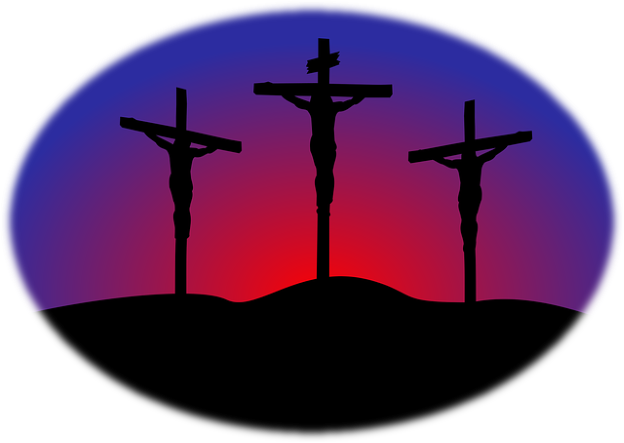
Chapter 66: Crucified Despite Doing No Wrong - My Captivity

Image of a crucifixion

I had been victimized and didn't even defend myself. Yet, I was the one convicted of a violent crime. I was the victim of a brutal and bloody assault where I did no wrong.

That was the end of my normal life and all the hope that I had ever had in life. I believed that my life was over, and I would only live a wretched existence with no hope of any future.  

It was Edmund Burke who said at the time the US was being formed into a nation that the only thing required for the triumph of evil is for good men to do nothing.  

I would argue that a person who doesn’t respond to the pleas of a victim is not good. That is so much eviler when it involves your own family!

To have maintained a relationship with them after this was a sign of my inability to act with love for myself or with self-compassion. By maintaining a relationship with my parents and siblings after this, I disrespected and dishonored myself. 

I would NEVER forgive anyone who did such a thing to anyone else. It was evil, pure and simple. They had known the nature of my character and had admitted later that I am a good person and that they never thought I was guilty of what I was accused of doing.

It was evil, pure, and simple as far as I am concerned!

They had been doing me wrong repeatedly over and over for going on six years when this plea deal went into effect. They also didn't speak up and say "oh, you should appeal it, let's get you a lawyer." I have heard of parents who make it their mission to save their adult children who are falsely accused of crimes.  

My so-called family, my now ex-family, did nothing! That sickens me and a quote I heard somewhere comes to mind, “I hate them with the burning hot passion of a thousand suns!”

Until I found I could be indifferent toward them. I have gone “no contact” which is a strategy I heard for dealing with narcissists.

I would be hard-pressed to find anything good or redeeming about them, now.  

I was struggling with this and my finances in March of 2020 when I called the Catholic Social Ministries. I needed help with rent, and they were listed as a community resource for this.

I spoke to the lady who ran the social ministries there, Mary Ellen McGuire, and she said, "Can I pray for something for you?"  

I didn't really answer because I wasn't much of a believer after everything I had experienced. I had once believed. I had prayed so desperately when I was in such desperate need of comfort. From the depths of my soul, I had prayed repeatedly over and over many times per day when I was in jail for seven months. I had said, "My God, you know I am the victim and I need help. Please help me!"  But I got no aid.  

This was going through my mind.

I heard Mary Ellen ask again, "Is there something I could mention in prayer for you?"

I said, "You know, I was raised Catholic. I used to go to church until recently. I always lived my life according to the highest morals. I NEVER harmed anyone, ever! Yet, I had everything taken from me and every hope of happiness."

"I loved helping others and I worked as a psychotherapist. It was so amazing to be able to help others who were suffering from emotional pain. In a world that makes sense, I would be of great value. But years ago, there was something bad that happened. I was falsely accused and convicted of a violent crime. Me! I have NEVER acted even remotely aggressive in my entire lifetime. Now, they say it's too late to get justice or to clear my name."

I continued, "You know, I studied the Bible and the book of Job. Job had it better than me. In that story, it is revealed in the end that he wasn't being punished for some wrong that he did. You could say his innocence had been revealed. He was vindicated."

"For me, there is something called a statute of limitations. I was supposed to have appealed the plea arrangement back when I was in a very dark place and all alone."

I added, "and my own family abandoned me and didn't do anything."  

She then said, "well, Jesus never got justice. He was never vindicated. He died yet he did no wrong."

Wow, I could agree with that from a historical perspective. I could relate too. Jesus went around healing people. 

I said, "I actually had thought about that before. Thank you for reminding me."

Image of being crucified

The imagery of the cross is about the idea of someone who has done no wrong facing a shameful crucifixion.   

The first books of the "New Testament" - the gospels - end with a good person being executed. There was no stay of execution at the last moment with the truth setting Jesus free.  

The friends of Jesus faced execution if they were associated with him when he was arrested. Those who abandoned me, the woman who gave birth to me, the sister who claimed to love me, faced no such threat to their well-being.  

My entire future was on the line and I was thrown out into the cold streets and without a home. They didn't even give me warmth or shelter during those years.  

I met someone who was assigned to be a peer support person in my recovery from mental illness last year. He kept insisting I needed to find a "higher power." I protested saying that I do not believe in such foolish ideas.  

I said it would be a miracle if I got justice for a crime that happened sixteen years ago way past the statute of limitations. "If that happens, I'll believe," I said to shut him up.  

He was insisting that God would or could not do anything for me now. What? Your god can reanimate a dead body, bring someone back from the dead but that same God cannot inspire and touch the hearts and minds of people. That god cannot persuade people.

That makes no sense to me. Why would you believe that the God of Easter can raise a person from the dead and all it takes for justice is to persuade others to recognize the truth and embrace justice. 

When I was a believer, I heard that God is all about justice. This would be the most obvious and pertinent thing on the list of things that God would want to do.  

It doesn't matter how much time has passed or other difficulties. For God, all things are possible. This is certainly less complicated than creating a universe and raising a man from the dead.

This individual who said I should believe in a higher power was part of Alcoholics Anonymous or Narcotics Anonymous. I asked for a different peer support person to be assigned to me.

Believing that things will work out in the end if we trust our higher power hardly makes sense if you simultaneously believe that some things are not possible even for your higher power.     

Mary Ellen McGuire sent me a book called "Everyone Has Someone to Forgive."  She understood how seemingly impossible it was for me to forgive my family. In sending this book to me she respected and recognized that a great wrong had been done on their part by their betrayal.

I have a takeaway from my present insights. We do not contemplate forgiving those people who mean nothing to us. We just don’t think about them because other things are on our minds.

That is where we are as I am about to wrap up my autobiography.


Section Eight: Life Without Lynn: Injustice, Poverty & Homelessness

The horrifying events of late July, August, and early September were described in the previous section. I structured it around the changes in Lynn's health. I had been in love with her. I loved the career that I had built over sixteen years, but I wasn't in love with my clients or my career. That being said, the career reflected some important ideas about what gave life meaning to me. It is in the connections that we make.  

For me, part of what makes life meaningful is doing activities that are social in nature or which involve helping others. If we were to think of a hierarchy of needs, to me, love and connections are the highest needs that bring the greatest rewards. Abraham Maslow listed self-esteem and accomplishment above love and connections and self-actualization above that. In a sense, it is easier to reach these higher needs if we have met our needs at lower levels.  

I had lost the love of my life. I lost that sense of being part of a family - Lynn and I were a family. I lost my career. I didn't have funds saved up for an event like this because I had not seen anything so all-encompassing happening. I was lost and overwhelmed.

That feeling of being lost would linger for the next few years. I had my intellect and a proven history of overcoming obstacles and challenges, but this was different. It was hard to find meaning when everything that gave meaning to my life was gone.  

The bigger point is that every aspect of the life I had known for years was lost in the timespan of under two months’ time. It seemed like common sense that I was going to need support during this time period. At the time, I made the mistake of thinking that my family would be supportive. I should have reached out to my friends. I had a very special friend named Thomas Childs and I will describe that friendship.  

This section of the book covers the darkest years of my life. To be clear, the most disturbing events in my life occurred mainly in the month of August of 2000 which is described during the previous section of the book.    

During this section of the book, I primarily will cover the years from late 2000 through some time in 2006, along with more recent events. I knew only poverty and homelessness. This was an experience that I had never known previously. It should be noted that I had worked as a social worker and was well aware of how poverty and homelessness impact others. I also knew of how I might advise others to confront these challenges and barriers. So, I would have drawn upon the wealth of my knowledge of resources that might exist to overcome barriers of this nature.  

I was intelligent, educated, informed, and knowledgeable. I knew I had skills that I could offer the world based on my years of experience in the mental health and psychiatric field. Things were never that simple or straightforward though.  

In this section, I will also describe the victimization and injustice which was hinted at previously in my book. This will make you question everything you thought you knew about these matters. I will assume that we all agree that it is disturbing when a good person is harmed and has their entire life destroyed based on the lies of another person.  

What about when the victim is treated like the perpetrator, and nothing the person says will satisfy the police who are supposed to find the truth? Are we wrong to believe that the police want to find the actual truth, and that they follow all the evidence wherever it leads? I can't generalize unless I were to discover that the police, in general, are encouraged or trained to find evidence during an interrogation to confirm their original opinion. If that is true, then the best advice is to say nothing at any point when an encounter seems like an "interrogation" if nothing you say can alter the opinions and impressions of the police.  

This section will culminate in an examination of how viewing the police as authorities who will discover the truth failed for me.  

Categories

Chapter 58: Honoring Lynn – A Letter to Her Mother

Diane was Lynn’s mother. In my healing, I have come to forgive myself for my mistakes and to love myself. To develop a sense of self-compassion. It was devastating to discover that I was not mentioned in Lynn’s obituary. We will get to my reflections upon that in a moment.

Dear Diane:

What I am about to write is not about me or for me. I need to honor Lynn and her legacy … to talk to the world about her value. I’m not writing this letter for personal reasons

I wanted to announce a book that I wrote that honors Lynn and what she offered the world. This letter is a chapter from that book. It’s up to you if you want to read the book. It’s my autobiography but Lynn features prominently in the book. I titled it “Memoirs of a Healer/Clinical Social Worker – Autobiography of Bruce Whealton.” It can be found online at https://brucewhealton.com/autobiography

I spend a large portion of the book trying to make sense of what happened in 2000 to me. At some point during this period, I heard that you thought I needed to have learned more about emotional intelligence. That my impulses were not in check. 

I couldn’t forgive myself for not being there for Lynn when she needed me in 2000 when she got sick. I never reached out like this because I imagined I didn’t deserve any compassion or understanding. I understood what I would feel about anyone who caused Lynn any pain.

So, I get it. Let me repeat it. I know how I would feel toward anyone who caused Lynn any pain! 

In Lynn’s obituary, I read nothing that comes close to conveying just how profoundly amazing she was and how she made the world a better place!

We might think, “well, that’s okay, Lynn didn’t have anything to prove, or she wasn’t looking for recognition in her actions.” 

I know differently – at least when she was with me. She loved that I had been willing to declare my love loud and clear for anyone who would listen. I give examples of his in this book. 

Take, for example, a time when I got up in front of a group of people at the poetry reading at the Coastline Convention Center and read a new poem – a love poem – that everyone knew was about Lynn and dedicated to Lynn. She had been doodling because she thought I was going to read only poems she already heard. She felt so embarrassed when she realized what she missed.

After that, she would read that poem of mine, dedicated to her, about my love for her, whenever it was her turn to share at some poetry reading, and perhaps she didn’t have something to read of her own. 

As I was saying, this letter is part of a chapter in a book that does just that. It’s my autobiography. 

Diane, you are right, I was acting crazy in 2000. I know I was supposed to be there for Lynn. But when it came to matters of the heart, my personal life, my choice of Lynn, I was driven by my passions. 

And it seems like we are dishonoring Lynn by not acknowledging or accepting her judgment as you once did! 

Lynn wanted someone crazy in love with her! Do not EVER doubt that I was not totally and completely in love with Lynn. That is something that can be known to be true above all else!

There are few things in life that I know or believe for certain. My love for Lynn is one of those things that I know with absolute certainty. 

There might be many things that one might say about these things, but no one can say that I stopped loving Lynn ever or that I wasn’t still totally and completely in love with Lynn even during the 2000s!

During that next decade, I was still in love with Lynn. I would break down in tears ten years after we went on a different path.

I have no idea what Lynn was going through. I was afraid that reaching out to her directly would cause her pain by reminding her of the love we once had that had not lasted. I have no idea if that was the right choice.

I used to ask people who I met on Facebook. They were nice and I was only giving them her phone number which was available to the public. They were really moved by the love I had conveyed and my desperation. I heard a few of them called her but we didn’t get anywhere. 

I didn’t know what to do. 

I made a new friend who was a writer named Ryan Miller who was introduced to me by Jean Jones – a mutual friend of Lynn and mine. I would stay with him when I visited Wilmington and I would share stories about my life with Lynn, revisiting places where we had gone.

To this day, I do not have a full understanding of what was going on with me during a period in 2000 – I think it was August. I have tried with the guidance and counseling of others to find those answers. 

It wasn’t like I was always that same person that let down Lynn when she needed me and did such crazy things. To believe that would be to dishonor Lynn and her judgment. Winning, earning, deserving the love of Lynn was not something I took for granted. For all those years, I would think about how lucky I was and how much I needed to continue to deserve Lynn’s love. 

I couldn’t believe when I saw her in mid-1992 that she didn’t already have someone in her life. 

Then when I gave her an engagement ring, I saw tears of joy and there has been a no more joyful moment in my life – that I could make her that happy! We had picked out the ring together and I thought she knew I was coming with the ring that day. I was taken by surprise when I saw the happiness that I brought to her. I’ll never forget that. 

What I am saying is that I could not possibly have been in my right mind back in 2000 when she decided and told me that she wasn’t coming back home. I wasn’t myself.

I had so many draft letters that I consulted with therapists upon that I meant to send to Lynn. 

Earning her love was the single greatest accomplishment in my life. To lose that… to hear that she might not or isn’t coming back home… I’m speechless. 

Lynn saw something was happening to me. She said she wished I had kept in touch with our friends because she couldn’t provide the support I needed. 

There was no closure. Lynn didn’t say “I need you to get help before we can go on together because you are acting crazy.” 

I came to feel worthless and undeserving of her after what happened. I also had no idea what she was feeling or wanting later. I certainly didn’t want to cause her any more pain. The way I was in 2000 at a certain point during that year, was completely different than the way I had been. 

Sometime in 2009, I went to a poetry workshop that Lynn attended as well. I was in the same room with Lynn, she was right next to me. My heart was racing. I was so nervous and confused. I couldn’t form any words. It almost seemed like someone had created this opportunity… but I wasn’t able to realize if that was true or not. 

The poem I read was called “Fugue State.” I suppose I had been lost and confused, in fog, without Lynn. 

Then when it came around to her to comment, she said “I pass.” I had already been shaking and nearly hyperventilating. Within moments I got up and went out into the night walking.

I did not know I would go crazy when Lynn got really sick, and I feared losing her. It doesn’t mean I loved her less than you did. 

There was a moment when I just shut down while you wanted me to pack up things from the house as you were selling it. I wasn’t trying to be difficult nor was I acting out. I have studied the Polyvagal Theory recently and it seems that what happened was that I had reverted to the primitive brain’s method of coping by shutting down. Drawing inward and away from the higher brain functions that are typical of social animals.

Something inside of me died during that time period.

So, I suppose you shouldn’t have been calling my mother when I shut down and you didn’t know what to do.

My mother’s abuse and emotional neglect left me vulnerable in a way that I had not expected. I had been in therapy for so long with so many therapists, trying to be sure I worked on all my issues. If any of them got a hint that there was something more to work on, they would have told me. 

Lynn would have noticed too. Trust her judgment. You did from the day Lynn and I started seeing each other. 

Lynn wasn’t shy about telling me what was not acceptable! About where I might want to improve or what I needed to work on.

Crazy in love is just that. I felt like I was going crazy at the thought that I would not have Lynn!

Lynn wanted that or she would not have stayed with me as long as she did.

I think everyone should know that if Lynn truly doubted that I was in love with her more than anyone or anything else, she would NOT stay with me. With my book, they will know this.

That was real. 

Year after year, I lived as your son-in-law. 

Lynn wanted someone who came and apologized right away when I said something hurtful. Someone who didn’t let us stay angry at each other for long.

I would apologize profusely and demonstrate how sad I was to have upset Lynn. She saw that and knew that. I always felt that I could not take for granted having Lynn and that she could and would leave me if I was disrespectful toward her or if I wasn’t making her happy…

If she doubted that I was in love with her, I believed she would leave me. 

I never found an instruction book with answers to what one should do if anything like this happens or if one finds oneself in the situation in which I found myself beginning at some point in 2000. 

Even now I understand my choice of words might sound odd because I am talking about things happening to me instead of my actions or inaction. I often felt like I couldn’t find self-compassion regarding these matters because I didn’t have a disease that was threatening my life. However, I had been overwhelmed beyond my capacity to cope. If anyone saw that coming, I would have welcomed their counsel and acted upon it. 

Regarding the situation of what happened with Lynn and me.

There was no formal discussion between Lynn and me about going our separate ways. I had been visiting her at her mother's. Then she said she might not be coming back

Just as so much that was good about our relationship didn’t need to be said, we knew it before it was said, so had Lynn slipped out of my life. All I knew was that she had to focus on her health and that she couldn’t help me – it was too stressful for her. 

Did that mean she lost her love? I never let myself contemplate that. She had a strong survivalist instinct. I find some slight comfort in knowing that her desire for my happiness and success was part of the reason why what was happening to me hurt her and overwhelmed her.

Instead, I became aimless and without a sense of what to do to get Lynn back.